
Total Knee Replacement: Walk Without Thinking About Your Knees Again
Do you plan your day around your knees? Knee arthritis has a way of shrinking life quietly, one small compromise at a time. Total knee replacement exists to reverse exactly that.
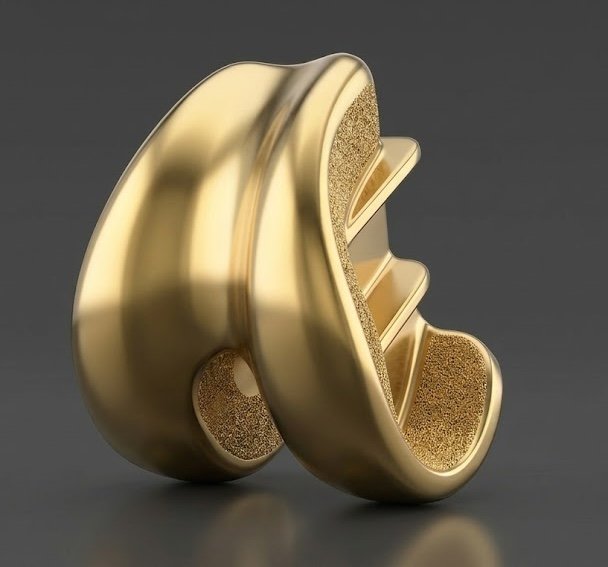
Total knee replacement has restored mobility for millions of people worldwide, making it one of the most frequently performed and most successful operations in medicine.
What’s actually wrong with an arthritic knee
Healthy knees glide on a layer of cartilage smoother than ice. Arthritis wears this layer away until raw bone grinds on raw bone — which is why the pain is worst on stairs, on standing from a chair, and at night. Medicines and injections can quieten the pain for a time, but they cannot regrow the smooth surface. A knee replacement can restore it.
What “replacement” really means (it’s more like resurfacing)
Despite the name, we don’t remove your knee. We resurface it: the worn ends of the thigh bone and shin bone are trimmed by a few millimetres and capped with precisely shaped, polished metal components, with a smooth medical-grade plastic layer between them. Your muscles, tendons, and most ligaments stay right where they are. From the outside, your knee is still your knee — it simply glides again instead of grinding.
Up and walking — sooner than you think
Most patients stand and walk with support within 24 hours of surgery. Yes, really. Early walking is part of modern recovery, and our physiotherapy team will be beside you from the first day. A typical journey looks like this: walker for the first days, walking stick over the following weeks, and most daily activities — walking, stairs, sitting comfortably — by around week 6. Improvement continues for a full year as the knee strengthens and settles.
The honest answers to the big questions
How painful is it, truly?
During surgery — nothing; anaesthesia sees to that. Afterwards, a combination of nerve techniques and modern medication keeps you comfortable enough to walk on day one. There is work in the recovery — the exercises matter — but patients overwhelmingly say the short-term effort was worth escaping years of arthritis pain.
How long does an artificial knee last?
With modern implants and techniques, 20 years or more is the norm — for many patients, it’s a once-in-a-lifetime operation.
Will I be able to climb stairs, drive, travel, pray comfortably?
Stairs yes, driving usually by 6–8 weeks, travel absolutely. Kneeling and deep squatting vary from person to person — discuss what matters most to you at consultation, and the plan will be built around it.
What if both knees are affected?
That’s common, and there are good options — from staged operations to, in selected patients, both knees in one sitting. Your fitness and preference guide the choice.
One conversation can change the next twenty years
An X-ray and an honest consultation will tell you exactly where you stand — whether it’s time for surgery, or whether simpler measures deserve another chance first.
This page is for general education and is not a substitute for personal medical advice. Every patient is different — please consult a qualified orthopaedic surgeon about your specific condition.